
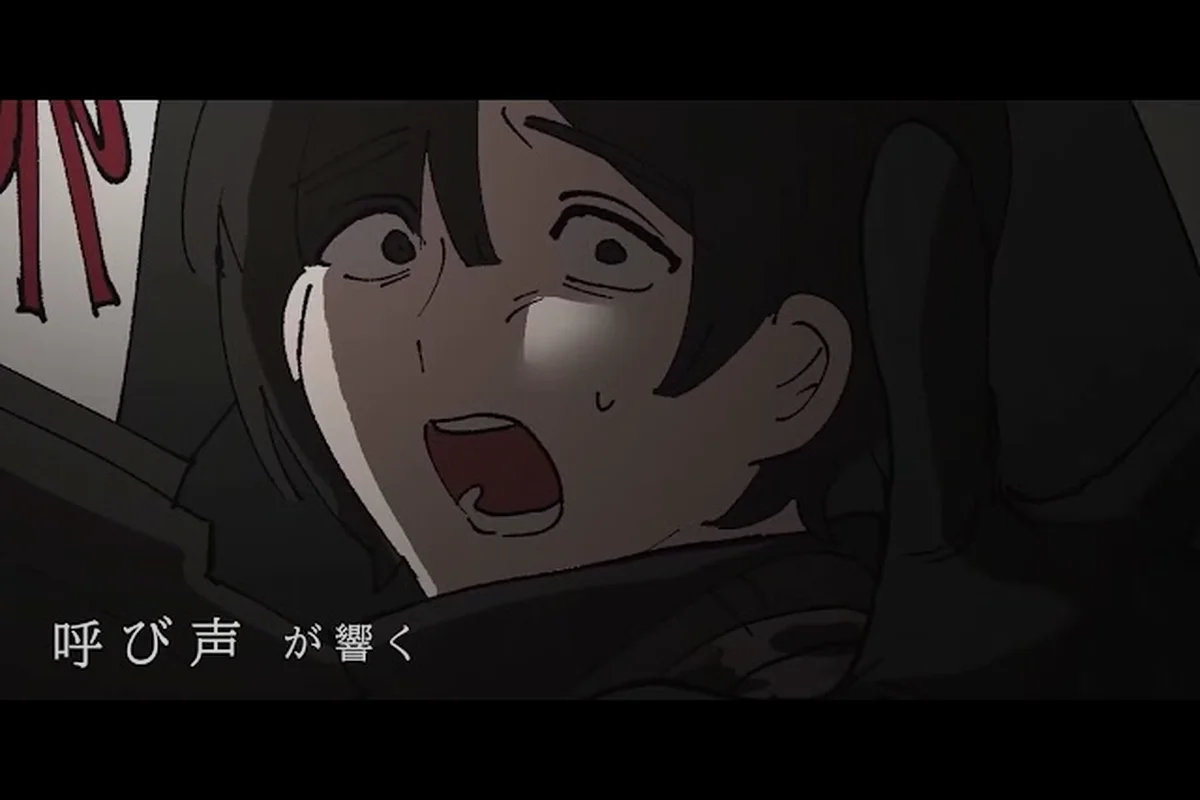
The Mimic Yasu Masashige backstory connects one schoolboy’s arrival to grief, deception, and the choices that shape Chapter IV. Understanding Yasu reveals why trust matters throughout the story.
Who Is Yasu Masashige in The Mimic?
Yasu Masashige is the central student of Chapter IV: The School, and the game’s four-chapter structure gradually reframes his behavior. He appears first as an ordinary boy among classmates, but his strained relationship with Keiko Masashige and his unusual bond with Hiachi make him more than a routine student. His decisions also affect Isamu Uchiumi, whose authority within the school creates a tense counterweight to Yasu’s defiance.
The useful answer to “who is Yasu?” is therefore not a simple biography. Yasu is a grieving son, a guarded student, and someone whose behavior changes according to whom he believes he can trust. The revelation of his mother’s death is central, but the surrounding characters show that his choices are shaped by fear of abandonment, resentment toward authority, and a desire to protect people close to him.
| Character | Relationship to Yasu | Narrative role |
|---|---|---|
| Yasu Masashige | Subject of the chapter | Grieving student whose choices reshape the school conflict |
| Keiko Masashige | Yasu’s mother | Central to his grief, memories, and emotional vulnerability |
| Hiachi | Close school relationship | Represents the trust and warmth Yasu struggles to maintain |
| Isamu Uchiumi | School authority figure | Creates pressure around discipline, suspicion, and obedience |
| Shoin Kusunoki | Figure connected to the school’s history | Adds historical and moral context to the chapter’s conflict |
For a wider view of the cast, the The Mimic characters list places Yasu alongside the playable figures and recurring personalities. That distinction matters because Yasu’s story is best understood through his relationships rather than as an isolated profile.
Yasu’s role across the four chapters
Although Yasu becomes most prominent in Chapter IV, earlier hints help explain why his school scenes carry such emotional weight. Players encounter traces of the tragedy and school environment before the full story is assembled, so revisiting earlier scenes can change the way his later behavior is interpreted.
| Story point | What Yasu represents | Player-facing clue |
|---|---|---|
| Earlier chapters | A mystery attached to the school | Unusual conversations and background reactions |
| Chapter IV opening | A student navigating an unfamiliar group | Hiachi becomes an important source of familiarity |
| Mother reveal | Personal grief beneath the conflict | Keiko’s death explains his emotional instability |
| Final decisions | Loyalty tested by fear and authority | His actions reveal what he believes about the people nearby |
How Keiko Masashige Shapes Yasu’s Choices
Keiko Masashige’s death is the emotional center of Yasu’s story. Rather than presenting the loss only as a fact revealed by dialogue, the chapter uses memories, reactions, and Yasu’s behavior to show its continuing effect. His guarded manner makes more sense once the player understands that loss, and it also explains why he reacts so strongly to threats involving trust or control.
This is where the The Mimic Keiko Masashige relationship becomes essential to the Yasu Masashige backstory. Keiko is not merely mentioned as a relative; her absence organizes Yasu’s emotional decisions. He wants people around him to remain safe, yet he fears that dependence can become another avenue for loss. That conflict pushes him toward secrecy and makes his trust in Hiachi more significant.
Reading Yasu’s emotions through choices
Yasu rarely treats every person with the same openness. The people he believes are sincere receive a different version of his loyalty than the figures associated with authority, pressure, or deception. That distinction explains why an apparently small dialogue choice can alter how later scenes are received.
| Situation | Likely emotional driver | Story consequence |
|---|---|---|
| A trusted classmate appears threatened | Protectiveness and fear of loss | Yasu may challenge an authority figure |
| His family history is challenged | Anger mixed with vulnerability | He may withdraw or become defensive |
| Someone proves trustworthy | Relief and cautious hope | He allows Hiachi closer |
| Authority demands obedience | Resentment and fear of power | His resistance becomes more pronounced |
The surrounding relationship material in The Mimic character lore is useful for identifying which emotional ties persist beyond a single chapter. Yasu’s story gains weight because his relationships create obligations that cannot be solved through observation alone.
The Mimic Hiachi Character and Yasu’s Need for Trust
Hiachi is one of the clearest sources of warmth in Yasu’s school life. Hiachi’s presence gives Yasu a reason to act beyond his fear and resentment, and their bond offers a counterpoint to the colder dynamics involving Isamu Uchiumi. The The Mimic Hiachi character therefore matters because Hiachi does more than provide companionship; Hiachi tests Yasu’s capacity to trust without becoming controlling.
In the The Mimic Hiachi character, Hiachi acts as a steadying presence during a chapter defined by instability. Yasu is affected by his mother’s death, but Hiachi helps him preserve ordinary social bonds. That matters after the loss of Keiko because a grieving person may either withdraw from everyone or allow one safe relationship to become an anchor.
Hiachi compared with the other central figures
| Figure | Connection to Yasu | Emotional contrast |
|---|---|---|
| Hiachi | Peer relationship built on familiarity | Warmth, ease, and the possibility of trust |
| Keiko Masashige | Maternal bond and family memory | Love shaped by grief and loss |
| Isamu Uchiumi | Represents the institution Yasu resists | Authority, scrutiny, and pressure |
| Shoin Kusunoki | Connected to the school’s wider history | A source of context for the chapter’s moral conflict |
Hiachi’s importance also depends on how players interpret Yasu. If Yasu reacts defensively, that does not make him a villain; it can indicate someone whose previous sense of safety has already been damaged. Conversely, moments of openness suggest that the protective behavior is a choice rather than his entire identity.
Isamu Uchiumi, Authority, and Yasu’s Defiance
Isamu Uchiumi embodies the pressure that Yasu resists. As a figure connected to the school’s authority, Isamu makes the chapter more than a story about private grief. He turns Yasu’s hidden pain into a public question: should a student obey the institution that has failed to protect the person he lost?
The confrontation between Isamu and Yasu is important because it reveals the limits of The Mimic Yasu character guide information that focuses only on combat or character abilities. This chapter’s main challenge is social and emotional. Yasu must decide whom to trust, whether to disclose his fear, and how to respond when institutional rules conflict with personal loyalty.
Authority versus personal loyalty
| Issue | Isamu’s position | Yasu’s position |
|---|---|---|
| Order | Rules should guide behavior inside the school | Rules can become tools of control |
| Suspicion | Misconduct should be identified and corrected | Fear and misunderstanding can look like guilt |
| Protection | The school can provide order and safety | Institutions have not always protected those closest to him |
| Loyalty | Obey the people responsible for the school | Protect trusted classmates and family memories |
This tension also explains why Yasu can seem inconsistent. He may be quiet around Isamu, affectionate toward Hiachi, and openly defiant when Keiko’s memory is treated as a bargaining chip. The responses do not represent three separate personalities; they are one traumatized student adapting to different kinds of danger.
Shoin Kusunoki and the School’s Hidden History
Shoin Kusunoki adds a historical and moral dimension to Yasu’s chapter. Rather than treating the school as a neutral backdrop, his presence encourages players to ask why its rules exist, whose experiences they preserve, and how institutional memory affects the people trapped inside it.
The connection to The Mimic Shoin Kusunoki should be approached as context, not as a substitute for Yasu’s personal arc. Yasu’s behavior is immediate and emotional, while Shoin’s role reaches toward the larger history of the school and the ideas it embodies. Together, the two threads show how private suffering can become entangled with collective history.
| Story element | Present-day focus | Historical focus |
|---|---|---|
| Yasu | Coping with loss and navigating school life | How private pain reflects larger pressures |
| Shoin Kusunoki | A presence that ties the chapter to its past | Memory, authority, and inherited lessons |
| Keiko Masashige | Yasu’s surviving bond with his mother | The lasting effect of family loss |
| Isamu Uchiumi | Enforcement of rules in the school | Institutions shaped by the values they preserve |
Because these links are interpretive rather than mechanical, players should distinguish established events from analysis. The events may be clear in Chapter IV, but the reason they matter can depend on dialogue, prior chapter context, and player interpretation. The secondary character overview can help separate supporting figures from the central emotional chain without reducing them to minor parts.
How Chapter IV Choices Reveal Yasu’s Final Fate
Yasu’s final fate is shaped by the accumulation of his relationships and responses, not by a single binary decision. Chapter IV asks the player to live through Yasu’s distrust, react to Hiachi’s loyalty, and interpret Isamu’s authority. Those encounters determine whether Yasu accepts isolation, breaks from the system, or allows a fragile connection to survive.
This is the most important element of the The Mimic Yasu Masashige backstory: his ending reflects who he chooses to become after learning that protection can require deception. Yasu is not presented as a passive victim. He can challenge the people around him, conceal his motives, or protect a bond when authority turns against it.
A practical route through the Chapter IV dilemma
| Stage | Story focus | What to watch for |
|---|---|---|
| Early school scenes | Yasu’s initial distance from classmates | Which characters treat him as ordinary rather than as a threat |
| Hiachi relationship | Trust begins to replace self-protection | Responses that show openness rather than routine politeness |
| Keiko revelation | Grief becomes explicit | Contradictions between Yasu’s words and behavior |
| Isamu confrontation | Authority demands a response | Whether Yasu protects himself, others, or the truth |
| Final sequence | Yasu’s choices converge | The fate tied to loyalty, defiance, and isolation |
Players who want a broader account of the surrounding cast can consult the The Mimic beginner guide for context on the game’s structure and narrative presentation. Yasu’s arc remains emotionally legible because the school places meaningful conversations beside ordinary student interactions, allowing small reactions to accumulate into significance.
Which version of Yasu feels most convincing?
A convincing portrayal of Yasu needs more than a chosen dialogue option. It should preserve three elements at once: his vulnerability after Keiko’s death, his capacity to trust Hiachi, and his resistance to Isamu’s pressure. Removing any one of these can make him seem irrational, weak, or needlessly antagonistic.
The same principle applies to his fate. A strong conclusion should feel like the result of relationships shaped over time rather than a reward for selecting a single “correct” answer. Yasu’s tragedy is compelling precisely because loyalty and suspicion can both protect him and trap him.
The Core Truth Behind Yasu’s Character
The The Mimic who is Yasu question ultimately points to a student shaped by loss, authority, and selective trust. Keiko Masashige anchors his grief, Hiachi gives him a reason to remain open, and Isamu Uchiumi tests the boundaries of his obedience. His story does not reduce suffering to a simple villain narrative; it shows how a young person may build defenses that also isolate the people he wants to keep close.
Understanding the The Mimic Yasu Masashige backstory therefore changes more than the interpretation of one ending. It gives earlier conversations greater emotional weight, makes Yasu’s behavior easier to distinguish from simple characterization errors, and shows why the school’s conflicts cannot be solved only by identifying who is lying. The central achievement is seeing every protective gesture, accusation, and quiet moment as part of one person’s effort to survive grief without surrendering the ability to trust.
Frequently Asked Questions
Who is Yasu Masashige in The Mimic?
Yasu Masashige is the grieving student at the center of Chapter IV: The School. His mother, Keiko, has died, and he copes with that loss through guarded behavior, selective trust, and resistance to authority. His bond with Hiachi provides warmth and stability, while his conflict with Isamu Uchiumi turns private grief into a public struggle.
How does Keiko Masashige’s death affect Yasu?
Keiko’s death explains Yasu’s fear of losing people and his reluctance to become fully vulnerable. It also gives his anger more depth because his emotional reactions are not simply acts of defiance. Yasu’s choices around Keiko’s memory reveal whether he values honesty, protection, or control when confronting the school and the people who shape his life.
What role does Hiachi play in Yasu’s story?
Hiachi is a trusted peer and a source of ordinary connection during a chapter filled with fear and institutional pressure. Yasu responds differently to Hiachi than he does to Isamu Uchiumi, showing that he can still form meaningful bonds despite Keiko’s death. Hiachi’s presence tests whether Yasu will let one relationship challenge his defensive habits.
Does Isamu Uchiumi cause Yasu’s mistakes?
Isamu’s authority intensifies Yasu’s mistrust, but it does not erase Yasu’s own choices. Their conflict reflects a broader disagreement over whether the school protects people or controls them. Yasu may overreact, conceal information, or challenge Isamu because grief has distorted his sense of safety, yet his decisions still shape the outcome and his final fate.
How does Chapter IV determine Yasu’s fate?
Yasu’s fate reflects the relationships and responses built throughout Chapter IV, especially those involving Keiko, Hiachi, and Isamu. The ending does not depend on a single visible switch alone; it also reflects whether Yasu isolates himself, accepts institutional authority, or protects a bond he considers worth the risk. His choices show who he becomes after learning that trust and survival can pull in opposite directions.