
Lore & Timeline
The Mimic lore and timeline: four beasts, Yasu Masashige's story, chapter release history, hidden details and the theories connecting each book.
Introduction
The Lore hub collects the timeline, backstories and theories behind The Mimic's expanding universe. The game launched in January 2021 with Control's book, then grew through Jealousy's finale, Rage's opener and the modern event seasons. This page explains the four beasts — Kintoru, Enzukai, Netamo and their kin — that form the mythic spine of the story, the role of characters like Yasu Masashige and Hiachi, and the community readings that connect the books. Because CTStudio spreads its storytelling through environmental details, chapters and badges rather than cutscenes, most of the deeper timeline is reconstructed by players from release dates and hidden details, and we present it as well-supported community lore with clear labels.
Timeline & Mythos Quick Reference
| Event | Date | Meaning |
|---|---|---|
| The Mimic launch | Jan 2021 | Game goes live on Roblox |
| Control I release | Mar 2021 | Book 1 opens with The School |
| Control II-III | Mar-May 2021 | Palace + Sakura Swamp |
| Control IV finale | 2021 | Book 1 closes |
| Jealousy IV finale | Later season | Book 2 closes |
| Four beasts | Ongoing mythos | Kintoru, Enzukai, Netamo + fourth |
Lore Breakdown
Four Beasts
The mythic pantheon behind every book
Timeline
From January 2021 launch to the modern seasons
Theories
Community readings of the connections between books
Hidden Details
Easter eggs and reused symbols across chapters
Release History
Chapter release dates that anchor the timeline
Omukade & The Hands
The monster lore beyond the four beasts
Core Mechanics
The Mimic's lore sits inside the four storybooks, delivered through environmental storytelling rather than explicit narration. Chapter release dates, recurring symbols and hidden details across books create a timeline that players reconstruct by comparing releases (Control I in 2021, Jealousy's finale, Rage's opener) and by parsing repeated imagery like the hands entity. The four beasts form the core mythos: Kintoru is called the Beast of Control, Enzukai the Beast of Jealousy, with Netamo and a fourth round out the quartet. Characters like Yasu Masashige in Control and the shy spirit Hiachi get their depth from how they recur across chapters, and fan theories connect these dots into a connected narrative that grows with every new chapter.
Advantages
Reading the Lore hub turns a scary maze of chapters into a connected story. You learn why the four beasts exist, what the hands represent and how Yasu Masashige's family story ties into the broader mythology, which makes every environment clue and hidden detail count. The timeline gives you an easy reference for chapter release history, so you know exactly what order the story was told in. The theories section also points to the strongest community readings of the nightmarish connections between books, giving you a head start on the discussions that fill r/TheMimic and the official Discord. Reading the Lore hub turns a scary maze of chapters into a connected story. You learn why the four beasts exist, what the hands represent and how Yasu Masashige's family story ties into the broader mythology, which makes every environment clue and hidden detail count. The timeline gives you an easy reference for chapter release history, so you know exactly what order the story was told in, and the theories section points to the strongest community readings of the connections between books.
Challenges
The Mimic's official canon is thin — CTStudio tells the story through visuals and events, and almost no explicit lore is published by the developer. This means the timeline and beast identities are largely community-reconstructed from release dates, wikis and hidden details, and different sources can disagree. Names like Netamo have spelling variants, and a 'fourth beast' identity is still debated. Because events such as the Nightmare Circus are seasonal, lore tied to an event map can vanish when the event leaves the game. We mark all of this as community data, so treat the Lore hub as a well-research-grounded interpretation rather than developer canon.
Frequently Asked Questions
What are the four beasts in The Mimic?+
Who is Yasu Masashige?+
Is The Mimic's lore based on real Japanese legends?+
Quick Tips
Read the chapter release history before the lore articles — most theories depend on knowing which chapter came when. The order Control I → II → III → IV → Jealousy I-IV → Rage → Rebirth shapes every timeline claim, so anchor your reading with the release dates whenever a theory references 'the newest chapter at the time'.
Treat beast identities as community consensus, not canon. Kintoru and Enzukai are widely accepted, while Netamo's spelling and the fourth beast's identity are still drifting across wikis — our pages use the mainstream choices and flag the variants. Treat beast identities as community consensus, not canon. Kintoru and Enzukai are widely accepted, while Netamo's spelling and the fourth beast's identity are still drifting across wikis — our pages use the mainstream choices and flag the variants rather than picking sides.
Watch the hidden details section before writing your own theories — the hands entity and reused symbols are the biggest recurring clues, and many 'new' discoveries are documented Easter eggs from earlier chapters. Watch the hidden details section before writing your own theories — the hands entity and reused symbols are the biggest recurring clues, and many 'new' discoveries are documented Easter eggs from earlier chapters that simply resurface.
Featured
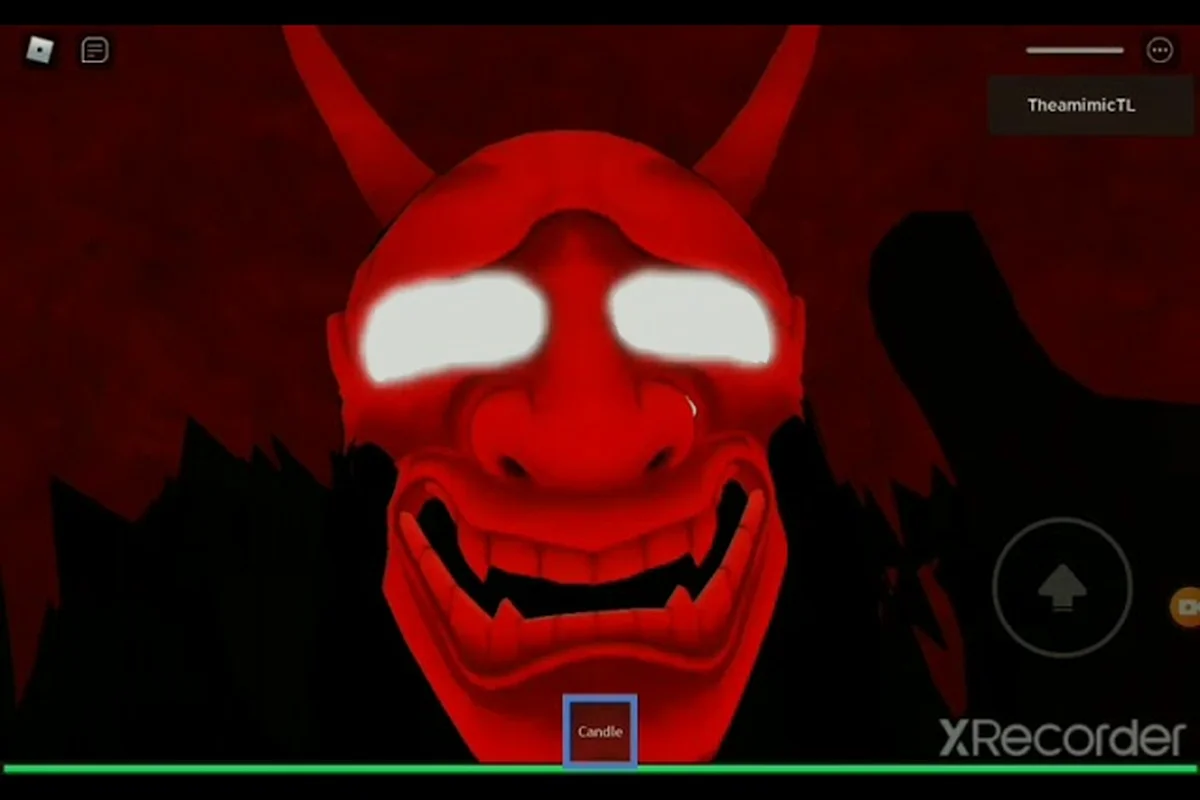
The Mimic four beasts lore: Book Identities and Mystery
Explore The Mimic four beasts lore, connecting Kintoru, Enzukai, Netamo, the fourth beast, and the Skull Maze across all four storybooks.
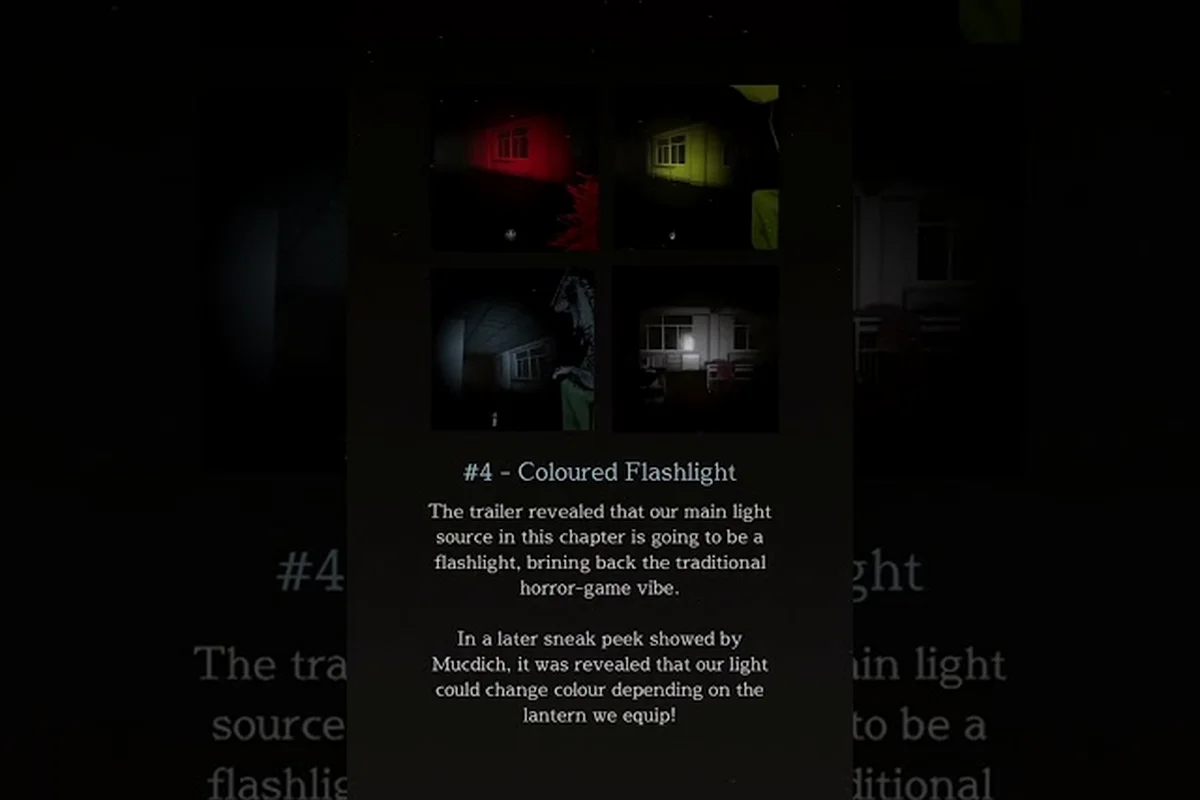
The Mimic hidden details: symbols, mirrors, and book clues
Decode The Mimic hidden details, from repeated symbols and Japanese folklore to mirrored rooms, shifting furniture, and book clues.
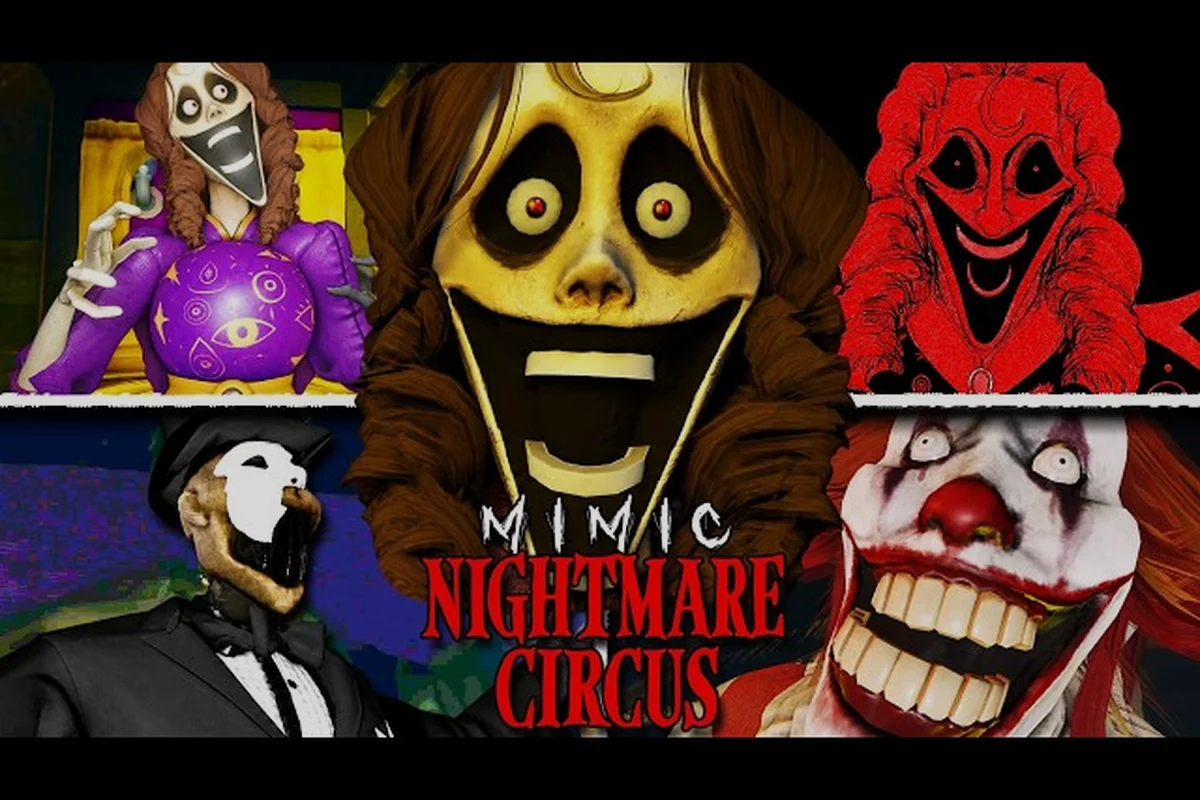
The Mimic hidden ending: choices, clues, and secret outcomes
Investigate The Mimic hidden ending theories, unusual finales, missed choices, after-credits clues, and Control's known outcomes.
All Articles
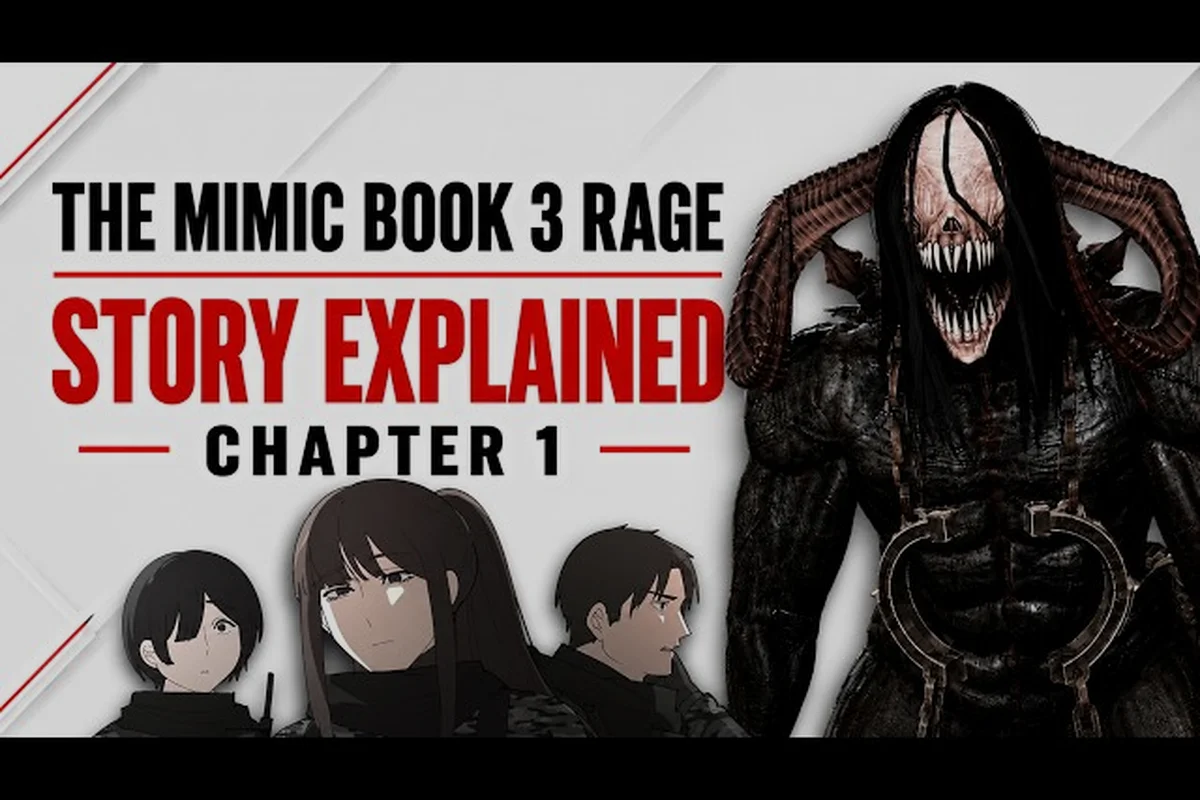
The Mimic lore explained: Origins, mimics, and story timeline
Uncover The Mimic lore explained through the four-book timeline, changing protagonists, copied realities, and recurring clues about what the mimics truly represent.
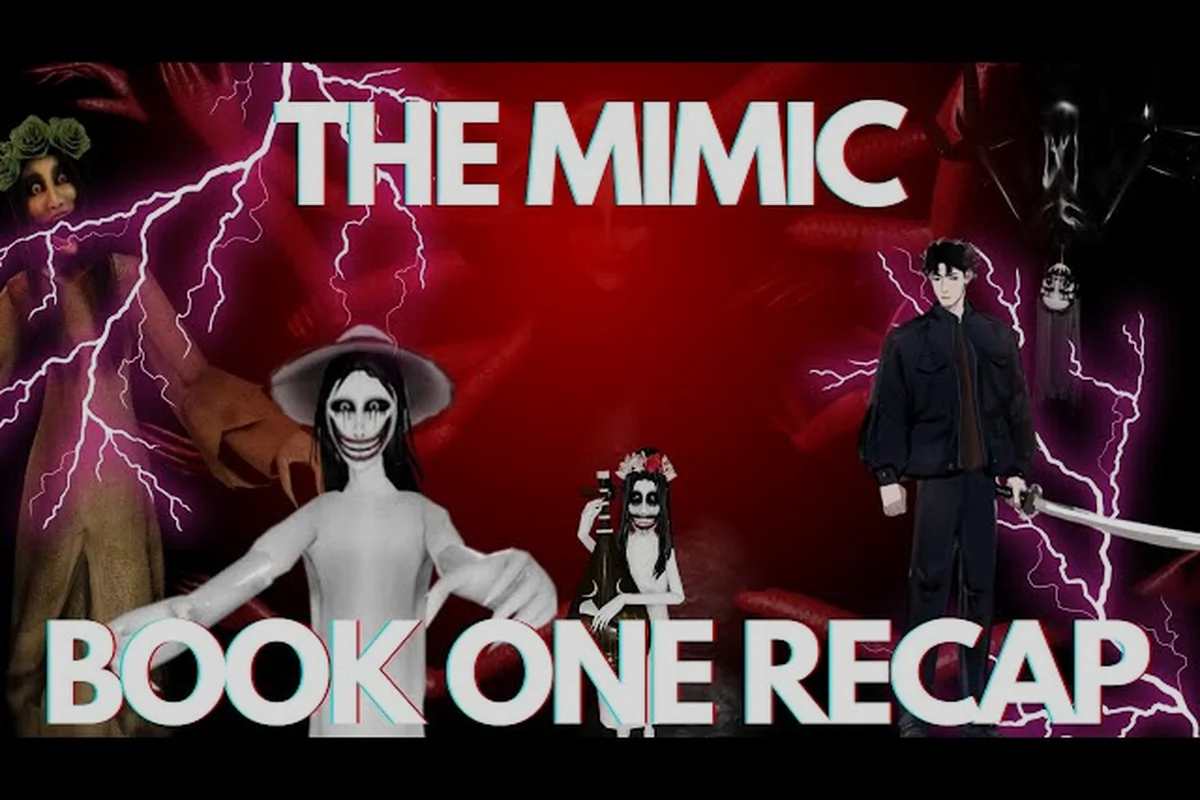
The Mimic timeline of events from Control to Rebirth
Trace The Mimic timeline of events through Control, Jealousy, Rage, Rebirth, key chapter releases, and each book's narrative order.
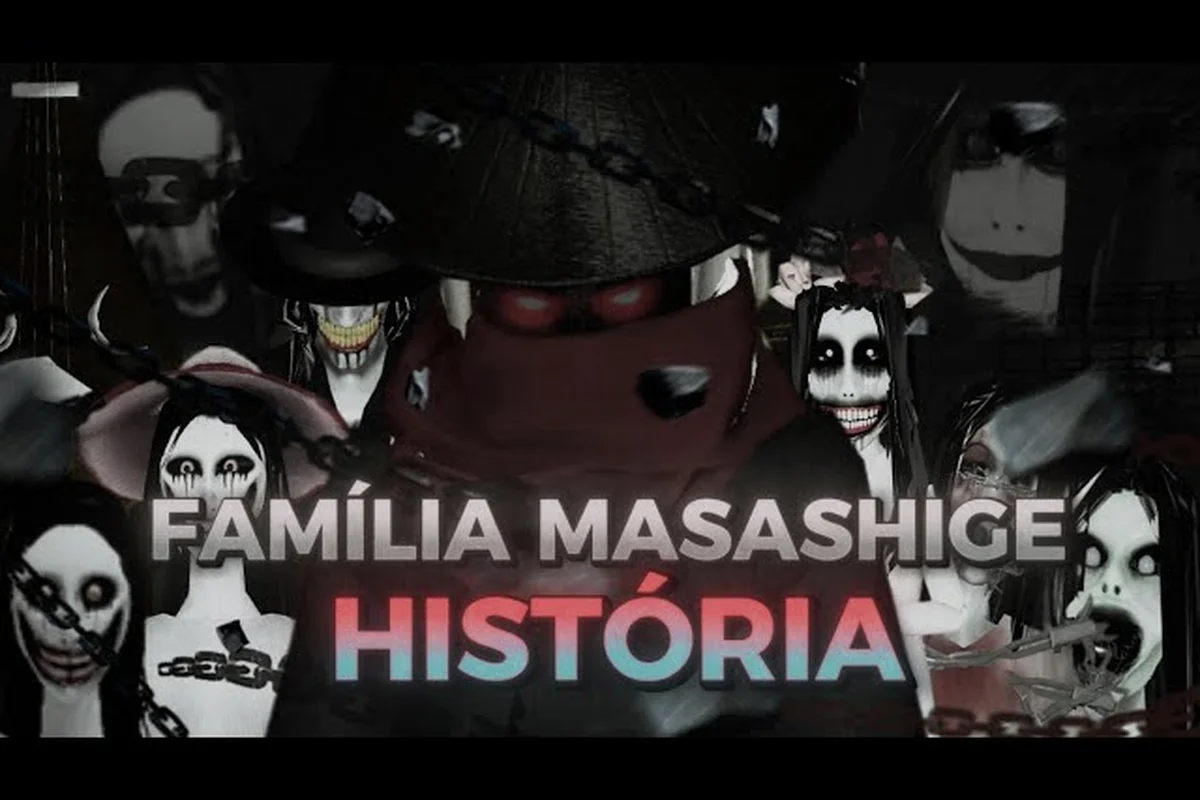
The Mimic Yasu Masashige backstory: Four Chapters of Fate
Trace The Mimic Yasu Masashige backstory from his School arrival with Hiachi to family ties, Chapter IV choices, and his final fate.